
Bali Packing List – Everything you need in your suitcase or backpack
Planning a trip to Bali, Indonesia? Discover the beauty and charm of this enchanting destination as you immerse yourself in its captivating landscapes, pristine beaches, and rich cultural heritage. This comprehensive guide aims to provide you with valuable insights and essential recommendations to ensure a seamless and meaningful travel experience. Whether you are a seasoned globetrotter or embarking on your first journey to the Island of the Gods, our guide will equip you with the necessary knowledge and tips for an extraordinary adventure in Bali, regardless of the time of your visit.
In this article we’ll cover:
- Weather in Bali
- Packing tips and What to bring to Bali
- Practical information for Bali (Entry Visa, Language, Currency)

Note: This article contains linked Amazon products. We only recommend items that we personally love ourselves. As an Amazon Associate we earn from qualifying purchases at no charge to you.
Weather in Bali, Indonesia
What is the climate like in Bali?
Bali offers a tropical paradise year-round. Bali’s climate is divided into two primary seasons: the dry season (from April to September) and the wet season (from October to March).
Even during the “wet” season, Bali boasts warm temperatures and incredible opportunities for exploration. So, whether you’re visiting in December or any other time, these tips will ensure you’re prepared for the Bali adventure of a lifetime.
What is the weather like in Bali during the winter?
Winter in Bali is part of the wet season. Which means warm temperatures and lots of tropical rainfall.
Temperature: Daytime temperatures typically range from 81°F to 86°F (27°C to 30°C), providing a warm and tropical climate.
Humidity: Humidity levels are relatively high, contributing to the tropical feel of the island.
Rainfall: December is one of the wettest months in Bali, with frequent rainfall and occasional thunderstorms.
If you’re planning a trip to Bali in December, you can expect warm weather, making it an excellent destination for those looking to escape the cold winter in other parts of the world. However, it’s important to be prepared for occasional rain and pack accordingly. Lightweight clothing, sun protection, and rain gear are recommended to ensure an enjoyable Bali experience.
What to bring to Bali: Packing tips
Tip 1. Plan Your Outfits for Bali’s Tropical Climate
Before you start stuffing your suitcase, take some time to plan your outfits. In general, Bali’s tropical climate means you’ll want lightweight, breathable clothing like shorts, tank tops, and sundresses. Don’t forget a few lightweight, long-sleeved options for cooler evenings and to protect your skin from the sun.
Take into account the activities you’ll be be doing, such as walking tours or adventurous sight seeing. Make sure to also consider the seasonal differences between “wet season” and “dry season”.
December in Bali is part of the wet season. If you visit during the winter make sure you are prepared for rainfall, but remember that it will mostly be warm rain.
To keep your clothes organized and neatly packed, use packing cubes and garment bag. They’re also great for separating worn/dirty laundry during your trip. We recommend using compression packing blocks to also create more space in your suitcase
Tip 2. Bring versatile shoes and footwear for your Bali trip
Bali is a destination with diverse activities, from beachside relaxation to jungle treks and urban exploration. As such, you’ll want a range of footwear options:
- Comfortable Walking Shoes: These are essential for exploring Bali’s stunning landscapes, so opt for pairs that can handle long walks.
- Hiking Shoes (optional, but encouraged): For adventurous outings such as hiking Mount Agung or trekking Mount Batur, you’ll want to bring proper hiking or athletic shoes.
- Flip-Flops or Beach Sandals: Ideal for relaxing by the beach or pool.
- Stylish Yet Comfortable Shoes: Bali offers a vibrant nightlife and dining scene that you definitely don’t want to miss! Some nightclubs have a dress code that prohibits flip-flops or sandals, so make sure you pack a pair of stylish yet comfortable shoes for your evenings out.
A lot of travelers bring Birkenstocks because they are super versatile, comfortable, and do great in warm tropical weather. Just make sure to wear them in a bit first.
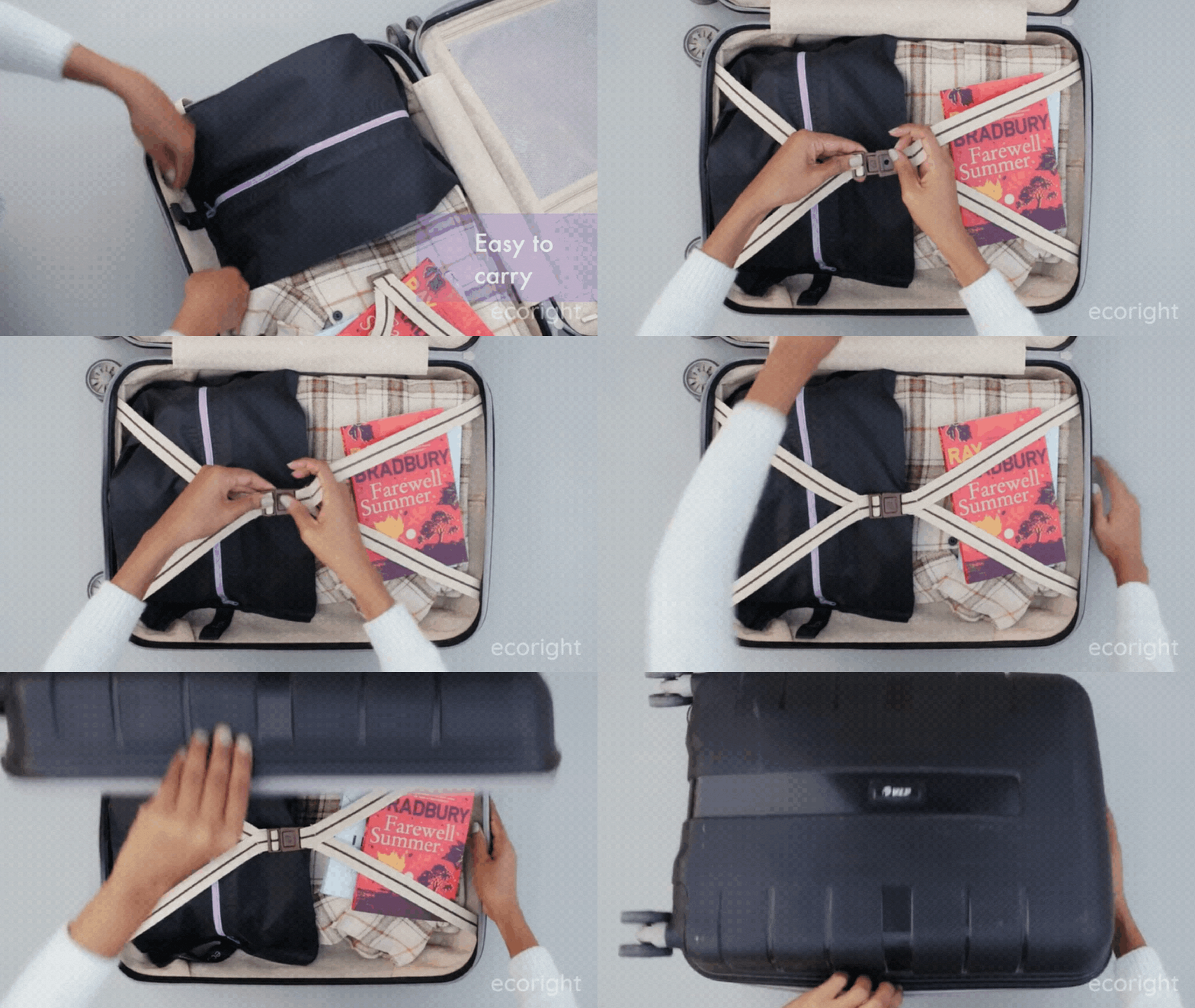
With the rainfall, your shoes are bound to get wet and dirty. These travel shoe bags by Eco-Right are a great way to keep your shoes separate from your clothes in your suitcase. They are perfect for protecting your clothing from any water, dirt, or sand your shoes may have collected during your adventures. Plus they’re made of recycled water bottles making them an environmentally conscious choice!
Tip 3. Sun protection
Bali’s tropical climate means you’ll be exposed to a lot of sun, so sun protection is a must. Be sure to pack these essential items:
Sunblock: A high SPF sunblock is crucial to protect your skin from the intense Bali sun. Ensure it’s water-resistant, especially if you plan on swimming or water-based activities.
Sunglasses: Invest in a quality pair of sunglasses that offer UV protection. Your eyes will thank you!
Wide-Brimmed Hat: A wide-brimmed hat provides added protection for your face and neck, keeping you cool and preventing sunburns and wrinkles.
Lightweight Cover-Up or Sarong: On particularly sunny days, a lightweight cover-up or sarong can be your best friend, offering extra protection from the sun.
Pro tip: Pack some travel-sized sunscreen, too. It’s convenient, compact, and easily fits into your day bag for quick reapplications while exploring Bali. Look for sunblock with at least SPF 30 for effective protection. You can use your existing sunscreen to fill up these travel sized bottles.
Tip 4. Universal power adaptor and portable charger for electronics
Bali, like many countries, uses its own unique electrical outlets. A universal power adapter acts as a bridge, ensuring your electronics and gadgets can be charged everywhere. Plus, if you plan to visit other destinations in the future, you’ll already have the right adapter on hand.
Portable chargers are a must-have item in your travel arsenal no matter where you are going. They are key for safety and provide lots of convenience. Also an essential for long haul flights! We recommend Anker or Belkin brands, both available on Amazon.
When buying a portable battery pack, make sure to pay attention to the input/output connection. For example, newer iPhones use USB-C, while older models use lighting adapters. And Samsung devices use either USB-C or micro USB. Personally, we’ve been a fan of the multi-cable adaptors for years. Here’s a good option that is travel friendly.
Tip 5. Reusable water bottle and Straw
Bringing a reusable water bottle and straw to Bali is not just a practical choice; it’s also an environmentally conscious one. Bali’s tropical climate can be warm and humid, making it essential to stay hydrated during your adventures. By carrying a reusable water bottle, you can reduce plastic waste, save money on purchasing bottled water, and ensure you always have a source of hydration on hand. Many hotels, restaurants, and even public places offer water refill stations, allowing you to top up your bottle conveniently.
Additionally, using a reusable straw is another eco-friendly step you can take. Bali, like many places around the world, has been striving to reduce single-use plastic waste, and bringing your own straw contributes to this effort. Whether it’s a stainless steel, bamboo, or silicone straw, it’s a small yet impactful change that helps protect Bali’s stunning natural environment. When sipping on fresh coconuts or tropical beverages, having your reusable straw means you can enjoy your drinks without contributing to the plastic pollution problem.
Remember to rinse and clean your reusable water bottle and straw regularly to ensure they remain hygienic throughout your trip. Embracing these sustainable practices not only benefits the environment but also sets a positive example for responsible and conscious tourism in Bali, helping to preserve the island’s natural beauty for future generations to enjoy.
Tip 6. Mosquito repellant or bug spray
Bringing mosquito repellent or insect spray to Bali is a smart move when planning your trip to this tropical paradise. Bali’s lush landscapes and warm climate provide the ideal conditions for mosquitoes and other insects to thrive, especially during the wet season. Protecting yourself from mosquito bites is crucial not only for your comfort but also to prevent mosquito-borne diseases such as dengue fever.
Carrying travel-sized bug spray or wipes are compact and easy to carry around. in your day bag for on-the-go application is a practical approach, especially if you plan to explore Bali’s beautiful natural attractions. It’s not uncommon to encounter mosquitoes, especially in areas near rice paddies and forests.
Tip 7. Backpack for daytrips and excursions
Bringing a travel backpack for day trips and excursions to Bali is a travel essential that can significantly enhance your experience on this beautiful island. Bali offers an array of stunning outdoor attractions, from lush rice terraces and cascading waterfalls to pristine beaches and dense jungles. A well-packed daypack ensures you’re fully prepared for these adventures.
Your daypack should be lightweight, comfortable, and equipped with ample storage space. It’s the perfect companion for storing your essentials like water bottles, snacks, sunscreen, insect repellent, a lightweight rain jacket or travel umbrella (helpful during the wet season), a camera, and any other personal items. It’s also a convenient place to carry a small first-aid kit, a map or guidebook, and any souvenirs you collect along the way.
Additionally, it’s invaluable when visiting cultural sites or temples where larger bags may need to be stored or left outside.
Tip 8. First Aid Kit
A well-stocked first aid kit can provide immediate relief for minor injuries and discomfort, ensuring that minor mishaps don’t disrupt your travel plans.
In Bali, as in many travel destinations, you may encounter situations where quick access to first aid supplies can be invaluable. From minor cuts and insect bites to stomach discomfort or headaches, your first aid kit can address these common travel-related issues. The kit doesn’t need to be large or fancy, just basic supplies.
Here’s what you should pack in your first-aid kit for Bali:
- Adhesive bandages
- Antiseptic wipes
- Standard pain relievers
- Antacids like Tums or Pepcid AC
- Menstruation/period supplies
- Any other personal medications you might require
Given the unfamiliar environment and food, travelers occasionally experience stomach issues, and having medications like anti-diarrheals, or motion sickness remedies in your kit can provide much-needed relief.
Tip 9. Travel umbrella or poncho
Bringing a travel umbrella or poncho to Bali is a practical choice, particularly if you plan to visit during the wet season or just want to be prepared for occasional rain showers. The wet season in Bali typically spans from October to March when the island experiences frequent and sometimes heavy rainfalls. Having a compact travel umbrella or a lightweight poncho in your daypack can save the day and keep you dry when the rain unexpectedly rolls in.
A travel umbrella, usually compact and easily stowed, offers a convenient and effective way to stay dry without weighing down your luggage. It’s an invaluable addition when you’re exploring Bali’s outdoor attractions, whether it’s hiking to waterfalls, visiting rice terraces, or simply strolling through the local markets.
A lightweight poncho, on the other hand, is a versatile alternative. It can be quickly donned to protect both you and your backpack from the rain, making it an excellent choice for those planning more active outdoor adventures in Bali. The small investment in a travel umbrella or poncho ensures you can continue enjoying your day, even when the weather decides to surprise you.
Tip 10. Swimwear
Bringing swimwear to Bali is an absolute must when planning your trip to this island paradise. Bali is renowned for its stunning beaches, clear waters, and a wide range of water-based activities. Whether you’re an avid surfer, snorkeler, or simply seeking to soak up the sun on the pristine shores, swimwear is your ticket to enjoying Bali’s aquatic wonders.
Bali’s warm tropical climate and year-round sunshine make it an ideal destination for water enthusiasts. With so many beautiful beaches to explore, from the lively Kuta Beach to the tranquil Uluwatu and the surfer’s haven in Canggu, you’ll find endless opportunities to take a dip or catch a wave.
Aside from swimming, Bali also offers some of the best snorkeling and diving sites in the world. The island’s crystal-clear waters are teeming with marine life and vibrant coral reefs. With your swimwear and snorkeling gear, you can immerse yourself in the underwater wonderland and discover Bali’s rich aquatic biodiversity.
Many accommodations in Bali also have beautiful pool areas where you can relax and unwind. Whether you’re staying at a luxury resort or a cozy villa, having swimwear on hand ensures you can take full advantage of the facilities and enjoy refreshing swims at your leisure.
Tip 11. Travel towel
Bali’s warm and humid climate, coupled with its abundance of outdoor activities, makes having a compact and quick-drying travel towel an essential item for your trip. These specially designed towels are lightweight, easy to pack, and incredibly versatile.
Bali offers numerous opportunities to enjoy the beach, and a travel towel is perfect for those sun-soaked days. Whether you’re lounging on the soft sands of Seminyak, surfing the waves at Dreamland Beach, or taking a dip in the turquoise waters of Sanur, your travel towel provides a comfortable and sand-free spot to relax.
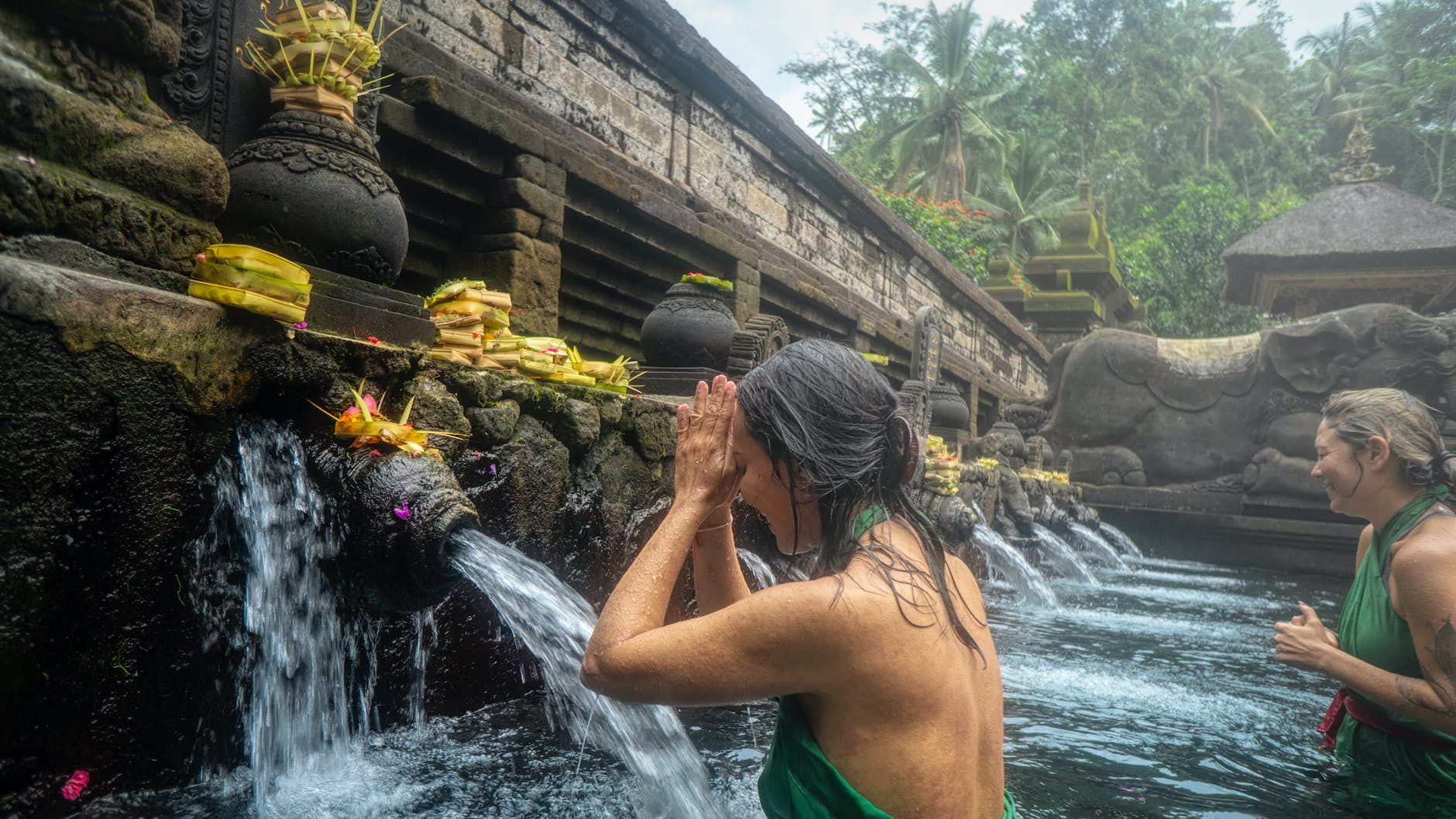
If you are exploring Bali’s cultural and historical sites, such as ancient temples or palaces. Having a travel towel allows you to cover your shoulders or wrap around your waist when visiting these sacred places, demonstrating respect for local customs and traditions.
Travel towels are ideal for yoga and meditation sessions, which are popular in Bali. You can use it as a clean surface for your practice, providing comfort and hygiene as you connect with your inner self amidst the island’s tranquil beauty.
Lastly, beyond the practical uses, a travel towel is an eco-conscious choice! With the growing emphasis on sustainability and responsible tourism in Bali, using your own reusable travel towel instead of disposable ones aligns with the island’s environmental values.
Practical Information for Bali
Do I need a Visa to travel to Bali?
The visa requirements for Bali and Indonesia vary depending on your nationality and the purpose and duration of your visit. Here are some general guidelines:
Tourist Visa Exemption: Travelers from many countries are eligible for visa-free entry to Indonesia for short stays (usually up to 30 days). This exemption is often used for tourism, family visits, social purposes, or government duties. The list of countries eligible for visa-free entry is subject to change, so it’s essential to check the most up-to-date information with the Indonesian embassy or consulate in your home country or the Indonesian immigration website.
Visa on Arrival (VOA): Some nationalities that do not qualify for visa-free entry can obtain a tourist visa upon arrival at certain international airports and seaports in Indonesia, including Bali. The duration of stay can vary but is typically 30 days and can be extended for an additional 30 days. There is a fee associated with the VOA.
Visa in Advance: Some nationalities are required to obtain a visa before entering Indonesia, even for tourism purposes. The type of visa required will depend on the specific circumstances of your trip.
Visa policies can change, and new agreements can be made between countries, so it’s essential to verify the current visa requirements with the Indonesian embassy or consulate in your home country before planning your trip to Bali.
Additionally, make sure your passport is valid for at least six months beyond your intended departure date from Indonesia.
What Language Do They Speak in Bali?
The primary language spoken in Bali, Indonesia, is Balinese. Additionally, Bahasa Indonesia, the official language of Indonesia, is widely used for communication, especially in business and government. Balinese and Indonesian are the two most prominent languages you’ll encounter when visiting Bali.
What currency do they use in Bali? Can I pay with US Dollars or Euros?
The official currency used in Bali, Indonesia, is the Indonesian Rupiah (IDR). While the local currency is the standard for most transactions, some tourist areas and businesses may accept US Dollars or Euros, but it’s not as common.
It’s advisable to exchange your currency for Indonesian Rupiah to ensure a smoother and more widely accepted form of payment during your stay in Bali.
The bottom line about packing for Bali
Packing for your Bali adventure in December should be a breeze with these 11 tips and recommendations! By planning your outfits, bringing versatile footwear, and prioritizing sun protection and insect repellent, you’ll be ready for anything this beautiful Indonesian island has to offer. Don’t forget to prepare for the rainy season with a compact umbrella and keep your toiletries organized for easy access. Your Bali vacation will be organized, enjoyable, and stress-free. Get ready for an unforgettable December getaway in Bali!
Safe travels!
Affiliate Disclaimer

 Total Lifestyle Hub